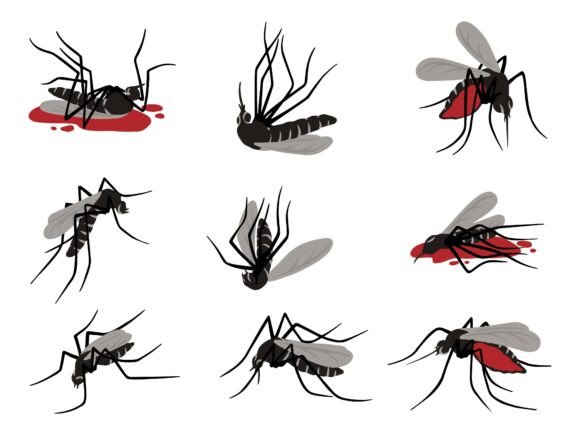
Mosquito Aedes Aegypti Illustration
As a designer and embroidery product reviewer, I’ve seen my fair share of digital files. Some are well-crafted, others are just placeholders for a quick sale. The Mosquito Aedes Aegypti Illustration falls into the former category. It’s a design that feels purposeful, with a clear visual identity and practical application in mind. But like any good design, its success depends on how you use it.
The First Impression: A Unique Visual Statement
When I first opened the Mosquito Aedes Aegypti Illustration, I was struck by its clean, illustrative style. The mosquito is rendered with precision—its wings, body, and intricate patterns are all clearly defined. The overall mood is informative yet artistic, making it ideal for educational or thematic projects. It doesn’t scream for attention, but it commands respect through detail and clarity.
The layout is balanced, with enough negative space to avoid visual clutter. This makes it versatile for various applications, from small patches to larger wall art. The design has a slightly scientific feel, which could be a great fit for nature-themed products, medical-related items, or even a quirky home decor piece.
Real-World Embroidery Use Cases
One of the first scenarios I imagined was using the Mosquito Aedes Aegypti Illustration on a custom embroidered tote bag. The design would stand out as a conversation starter, especially if paired with a bold thread color. On a lightweight cotton tote, the details would pop without overwhelming the fabric. However, on a very thin or stretchy material, the stitching might not hold up as well over time.
For a sweatshirt or t-shirt, the design works well as a front chest piece. The stitch density is moderate, so it should sit comfortably on the garment without feeling too heavy. If used as an applique design, the mosquito could be layered with other elements for added dimension. But for a simple satin stitch or fill stitch, it’s already effective on its own.
On baby clothes, the illustration could be a subtle yet meaningful addition. A onesie with a tiny mosquito design might be a fun way to incorporate nature into a child’s wardrobe. However, the fine lines and small details might be challenging on delicate fabrics, so testing on a scrap piece is essential.
Where to Be Cautious
While the Mosquito Aedes Aegypti Illustration is visually appealing, there are a few areas where caution is needed. For instance, if you’re planning to use it on a small hoop, the design may require multiple hooping sessions. This can be time-consuming and may affect the final appearance if not done carefully.
On textured or dark fabrics, the design might not show up as clearly. A white or light-colored thread could help, but it’s worth testing first. Similarly, on stretchy materials like spandex or knits, the embroidery may pucker or lose definition over time. Using the right stabilizer is crucial here.
If you're planning to use the design on curved surfaces like caps or hats, the corners might get distorted. The same goes for thin or tightly woven fabrics—small details could be lost during the stitching process. It’s also important to consider the stitch density. Too dense, and the fabric might stiffen; too light, and the design might look incomplete.
Impact on Product Value and Customer Perception
The Mosquito Aedes Aegypti Illustration adds a unique touch to any project it’s used in. Whether it’s a personalized gift, a boutique product, or a commercial item, the design brings a sense of originality. Customers often appreciate something that stands out from the generic, and this illustration offers that without being overly complex.
From a branding perspective, it’s a strong asset for businesses that want to connect with nature, science, or education. It could work well as part of a seasonal collection, a holiday gift, or even a limited-edition item. The key is to match the design with the right audience and product type.
For handmade shops or Etsy sellers, this design could be a valuable addition to your digital embroidery file library. It’s suitable for both personal use and commercial projects, provided the licensing terms allow it. Always double-check the license agreement before selling finished items or digital products.
Practical Designer Notes
Before committing to a large-scale project, I always recommend testing the Mosquito Aedes Aegypti Illustration on scrap fabric. This helps you see how the design looks in real life and whether it matches your expectations. Pay close attention to the thread colors and how they interact with the background fabric.
Also, review the stitch density to ensure it’s appropriate for the intended use. If the design is too dense, it might cause the fabric to stiffen or the stitches to break. Conversely, if it’s too light, the image may not be visible enough.
Another tip is to test the design in black and white mockups. This gives a better idea of how it will look on different backgrounds. Comparing it on light and dark fabrics can also reveal any hidden issues.
Finally, make sure the design fits within your hoop size limitations. If it’s too large, you may need to split it into sections or adjust the layout accordingly. Proper stabilizer use is also a must, especially on delicate or stretchy materials.
Conclusion: A Design with Purpose
The Mosquito Aedes Aegypti Illustration is more than just a pretty image—it’s a functional design with clear potential for real-world use. Whether you’re an embroidery designer, a small business owner, or a craft enthusiast, this file offers a fresh and thoughtful approach to your next project.
It’s a design that requires care and consideration, but when executed well, it can elevate your work and add value to your products. Just remember to test, adapt, and use it wisely. With the right approach, the Mosquito Aedes Aegypti Illustration can become a standout element in your creative arsenal.