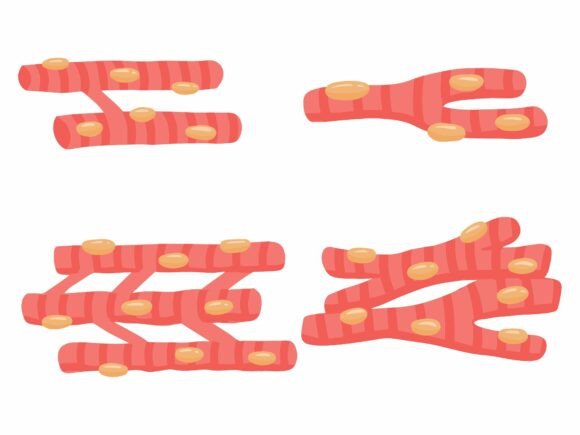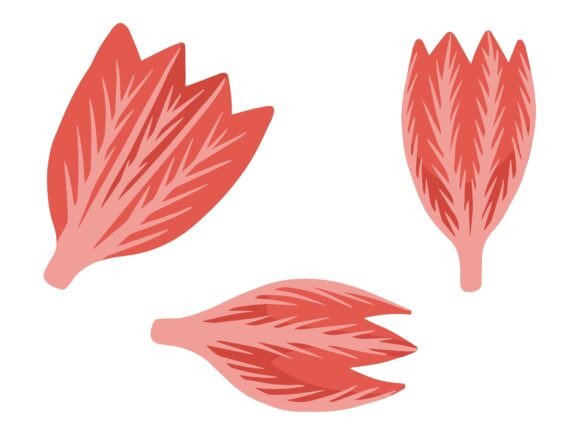
Multipennate Muscle Anatomy Cells
As an embroidery designer with years of experience, I always start by evaluating a new design not just for its visual appeal but for how it translates into real-world projects. The Multipennate Muscle Anatomy Cells design caught my attention for its unique blend of scientific detail and artistic flair. It’s a piece that could easily be mistaken for a medical illustration, yet it carries the potential to become a standout element in a variety of handmade and commercial embroidery projects.
First Impressions: A Design That Speaks to Curiosity
The first thing I noticed about Multipennate Muscle Anatomy Cells is its ability to evoke curiosity. The intricate patterns and layered shapes suggest a level of precision that would be ideal for projects targeting niche audiences—like science-themed gifts, educational items, or even custom apparel for fitness enthusiasts. The layout is clean, with enough detail to be visually engaging without overwhelming the eye. It has a modern, professional look that feels at home in both digital and physical formats.
This design seems to belong naturally in a space where education meets artistry. It’s not your typical floral or abstract pattern—it’s something that could spark conversation, making it perfect for personalized gifts or branded merchandise aimed at a more informed audience.
Real-World Embroidery Use Cases
When considering where to use Multipennate Muscle Anatomy Cells, the possibilities are wide-ranging. It could work as a central motif on a custom tote bag design, a detailed embroidered patch for a sweatshirt, or even as part of a wall art piece for a studio or office. Its structure allows it to function as a standalone design or as part of a larger composition, which gives it flexibility for different project types.
For small business owners, this design could serve as a unique selling point. Imagine using it on a limited-edition line of baby clothes, where the anatomical theme adds a subtle educational twist. Or as a holiday gift, such as a personalized kitchen towel or apron with a science-inspired twist. It’s the kind of design that can elevate a basic item into something memorable and meaningful.
Where to Be Cautious
Despite its strengths, there are areas where Multipennate Muscle Anatomy Cells might require extra care. The fine details and high stitch density could pose challenges on smaller hoop sizes. If you're working with a tight hoop, you may need to adjust the design or break it into sections to maintain quality.
Textured fabrics, thin materials, or stretchy garments could also affect how the design looks after stitching. The design’s complexity might not translate well on dark fabric, where the contrast between thread colors becomes critical. It’s important to test the design on different fabric types before committing to a full project.
Additionally, if you’re planning to use this design on curved surfaces like caps or on products that will be washed frequently, you’ll want to ensure proper stabilizer use and consider the durability of the stitches. This design isn’t suited for every project, but when used correctly, it can make a strong impression.
Impact on Visual Appeal and Customer Perception
One of the most valuable aspects of Multipennate Muscle Anatomy Cells is how it enhances the visual appeal of any finished product. Its structured layout and detailed lines create a sense of professionalism that can boost customer trust. Whether it's a custom apparel piece or a handmade gift, the design adds a level of sophistication that sets it apart from generic patterns.
From a branding perspective, this design could help reinforce a business’s identity. If your shop focuses on educational or science-themed items, this could be a powerful tool for consistency. It also makes for a compelling printable mockup, allowing customers to visualize how the design would look on their chosen item before purchasing.
For Etsy sellers and craft entrepreneurs, the uniqueness of this design can drive engagement. People love to see something different, and this design offers a fresh take on anatomy that could attract a specific audience. It’s the kind of design that people might want to gift, making it highly recognizable and memorable.
Practical Designer Notes
Before finalizing any project with Multipennate Muscle Anatomy Cells, I recommend testing it on scrap fabric. This helps you understand how the stitch density and detail interact with your chosen material. You should also check the thread color contrast, especially if you plan to use it on dark backgrounds.
Reviewing the hoop size is essential. If the design is too large for your machine, you may need to scale it down or split it into sections. Inspecting small details closely is another step that shouldn’t be skipped—some elements might not show up clearly depending on the fabric and stitching method.
Testing the design in black and white mockups can also help you assess how it looks without color distractions. Comparing it on light and dark fabric backgrounds will give you a better idea of its versatility. Using the right stabilizer is crucial, especially for delicate or stretchy materials.
Finally, always confirm the licensing terms before using the design for commercial purposes. While the product description mentions it can be used for a variety of applications, it’s best to double-check the specifics to avoid any issues down the line.
Conclusion: A Design Worth Exploring
Multipennate Muscle Anatomy Cells is more than just an illustration—it’s a versatile machine embroidery design that can bring a unique touch to a wide range of projects. Whether you're creating custom apparel, personalized gifts, or small shop merchandise, this design offers the potential to stand out in a crowded market.
Its practicality, combined with its visual impact, makes it a strong choice for embroidery designers looking to expand their creative toolkit. With careful consideration and testing, it can become a valuable asset in your collection of design assets.